PAST
Held in the body, carried through time
Here we start a journey into the roots of Arawana’s work: The Art of Making a True Move. The name, as it was originally known, evolved through collaborations and contexts, but set aside for a period. Recently, it arose back as the name of the online Social Presencing Theater program, which is a reflection on how forms change, while maintaining an essence.
The past lives in the body as memory, lineage, and practice.
The roots of this movement practice as a way of being and knowing were formed through dance, improvisation, meditation, and ancient Japanese performance rituals. Movement emerged as a way of listening to space, to timing, and to what wants to arise.
This journey traces how attention, stillness, and not knowing shaped a practice where gesture comes before concept, and awareness guides action. The past gathered here offers a ground to be felt, a living foundation that continues to inform how presence meets the present moment.
Arawana’s Artistic Journey
Early Childhood
Cleveland, Ohio
Early Childhood
Arawana has spent her life in the performing arts since her first dance lessons at Miss Gensler’s Dance Studio, at the age of five. She studied ballet in Cleveland with Alex Martin.
1968 -1970
New York
Dance Lineages & Improvisation
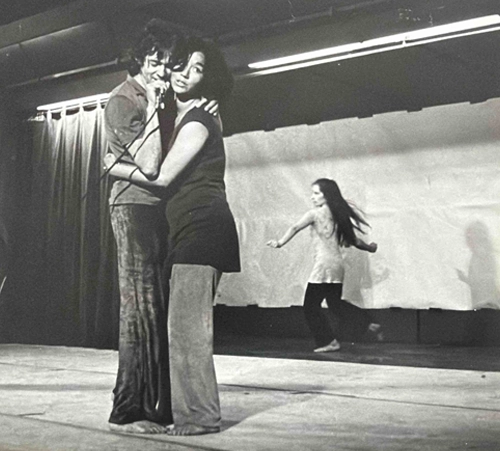
In 1968 she joined Jamie Cunningham’s Acme Dance Company in New York and studied ballet with Nina Fonaroff and contemporary dance at the Merce Cunningham Studio. Much of Jamie Cunningham’s work was based on theater and improvisation, and Arawana’s approach to movement was highly influenced by post-modern dance and an interest in bringing dance to societal issues. On April 22, 1970, Arawana co-created a performance at Washington Square Park on the first Earth Day, joining other artists in environmental activism.
1968 – 1973
Boston, MA
Summerthing
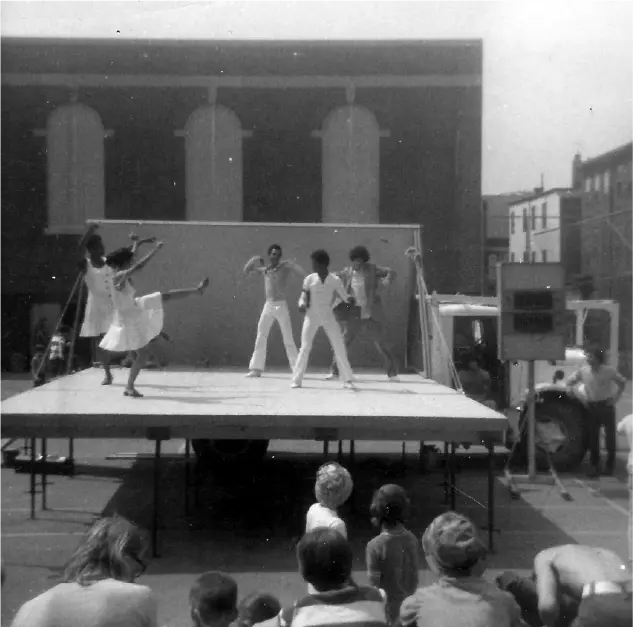
After the murder of Dr. Martin Luther King, Jr, in 1968 the city of Boston’s Office of Cultural Affairs Office began an all-city summer arts program called Summerthing. Arawana began teaching in communities that summer and then formed an inter-racial dance troupe that performed on a mobile stage in all the very diverse and conflicted Boston neighborhoods. She worked with Summerthing until 1973, and the dance troupe became an improvisational dance company called City Dance Theater.
1970-1976
Boston, MA
City Dance Theater
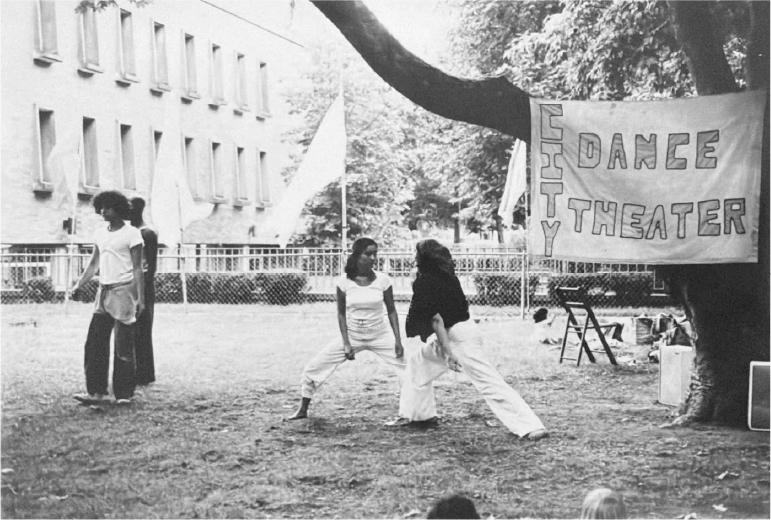
During this time, Arawana taught dance improvisation in Cambridge, MA, and the Summerthing troupe evolved into City Dance Theater, an improvisation-based dance company that brought programs and workshops into Massachusetts schools under the auspices of Young Audiences and the guidance of Jack Langstaff. This group co-created the Village practice, now an integral part of Social Presencing Theater— a basis of ensemble work.
Through these experiences, Arawana came to see how movement practices rooted in communities, schools, and social and environmental issues could foster embodied learning, collaboration, and healing.
1970s
Meditation and Dharma Art
Amid the social and personal turbulence of the 1970s, Arawana began studying with Tibetan meditation teacher, artist, and social visionary, Chögyam Trungpa Rinpoche. His teachings on meditation in action and Dharma Art — creativity as nonaggression and art in everyday life — shaped her understanding of art as a source of human wisdom.
1976 – 1980
Boulder, Colorado
Naropa University
While co-directing the dance program at Naropa University, Arawana learned from and worked within a community of artists that included Barbara Dilley, Lee Worley, Allen Ginsberg, and Jerry Granelli, firmly establishing the link between post-modern dance, meditation, and art-making. Together with Lee Worley and Jerry Granelli, she supported teachers in integrating contemplative arts practices into classrooms through a Rockefeller Foundation– funded Arts in Education program.
1977 onward
Bugaku Performance Practice
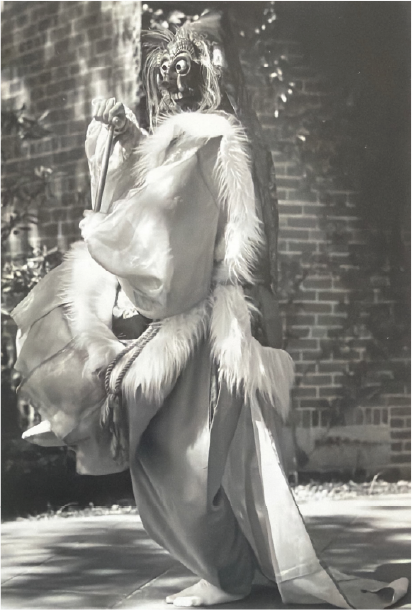
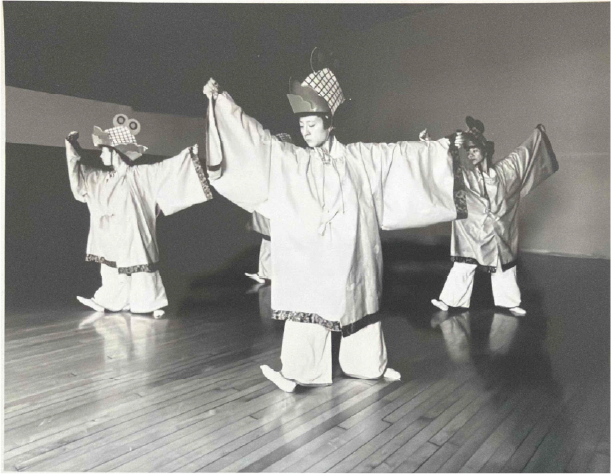
Arawana studied Bugaku, Japanese court dance, with Suenobu Togi, Sensei from 1977 until his passing in 2009. During these years she trained dancers and performed Bugaku extensively at museum, universities, and cultural festivals.
1981 – 2001
Cambridge, MA
Jo Ha Kyu Performance Group
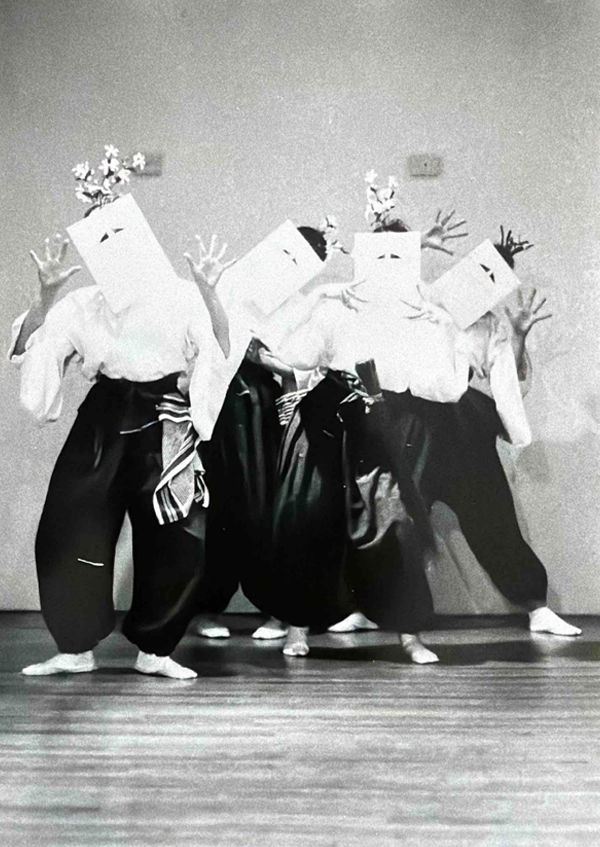
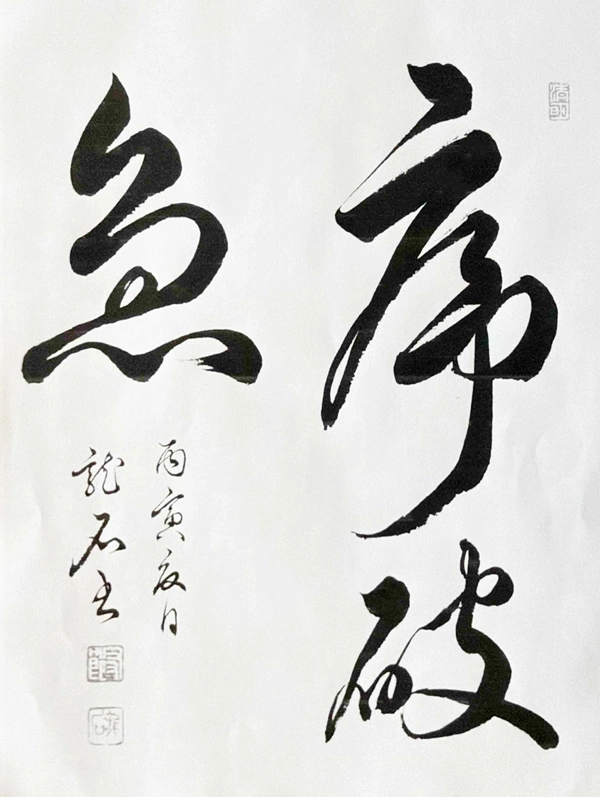
With architect, Ed Howe, Arawana founded the Jo Ha Kyu Performance Group which performed both contemporary choreography and Bugaku. During these two decades Arawana taught and created the practices called The Art of Making a True Move – improvisation forms and open collective practices that brought mindfulness and awareness into movement. Often with collaborators she choreographed dances that explored building materials, ordinary movement, ceremonies — bringing traditional Japanese aesthetic principles of jo ha kyu and ma into contemporary dance.
2003 – CURRENT
Origins of Social Presencing Theater
After nearly forty years teaching movement and creating dances, Arawana met Otto Scharmer, MIT Sloan School of Management, at the Shambhala Institute for Authentic Leadership. She joined him and Peter Senge, offering awareness and embodiment practices within leadership and systems change programs.
With the support of Otto Scharmer, Peter Senge, Katrin Kaeufer, and colleagues at the Presencing Institute, Social Presencing Theater took root as a methodology for supporting organizational and social change.
Since 2004, Arawana has been leading the creation of this form of social art together with Manish Srivastava, Angela Baldini and other colleagues from the Presencing Institute.
VIEW SOCIAL PRESENCING THEATER PERFORMANCE GALLERY:
2015
Writing the Book
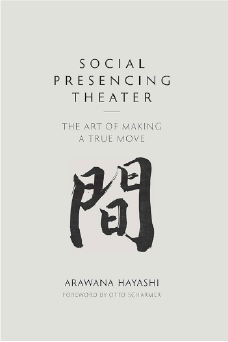
As Social Presencing Theater expanded globally, Arawana was encouraged by colleagues and practitioners to write about its origins and underlying principles. With contributions and reflections gathered by early teachers and collaborators, the book documents the vision, lineage, and foundations of the work, recognizing that it emerged through many co-creators, and that her story is one among many.
2019
Aesthetic Language Cards
Developed as part of her ongoing exploration of Social Presencing Theater and movement based practices, the Aesthetic Language Cards extend Arawana’s artistic inquiry into the subtle dynamics of social fields. Created in collaboration with Ricardo Dutra Gonçalves, the cards translate embodied and relational awareness into a set of visual and verbal invitations, offering a way to notice how attention, perception, and interaction shape collective experience.

2024
Togetherness
With social designer, Ricardo Dutra, and others she has created a curriculum for educators, the Pedagogies of Togetherness. Collaborating with teachers, researchers, and students they lead a project to bring embodied learning and aesthetic principles into classroom learning.
The Ordinary Magic of Basic Goodness
Arawana Hayashi first encountered the teachings that would shape her path while her improvisational dance company was touring through Boulder, Colorado. She does not remember the words that were spoken. What stayed was the felt sense of presence, a way of being in space that was simple and fully awake.
Meditation became the ground of her path, returning to the open quality of mind that lives beneath both art and daily life. Through her long relationship with meditation, she came to experience it as a way of recognizing and embodying basic goodness, the dignity and clarity that are already here.
From this ground of stillness, art and movement arise naturally, revealing the quiet continuity between inner awareness and outer expression.

Japanese Court Dance: Bugaku
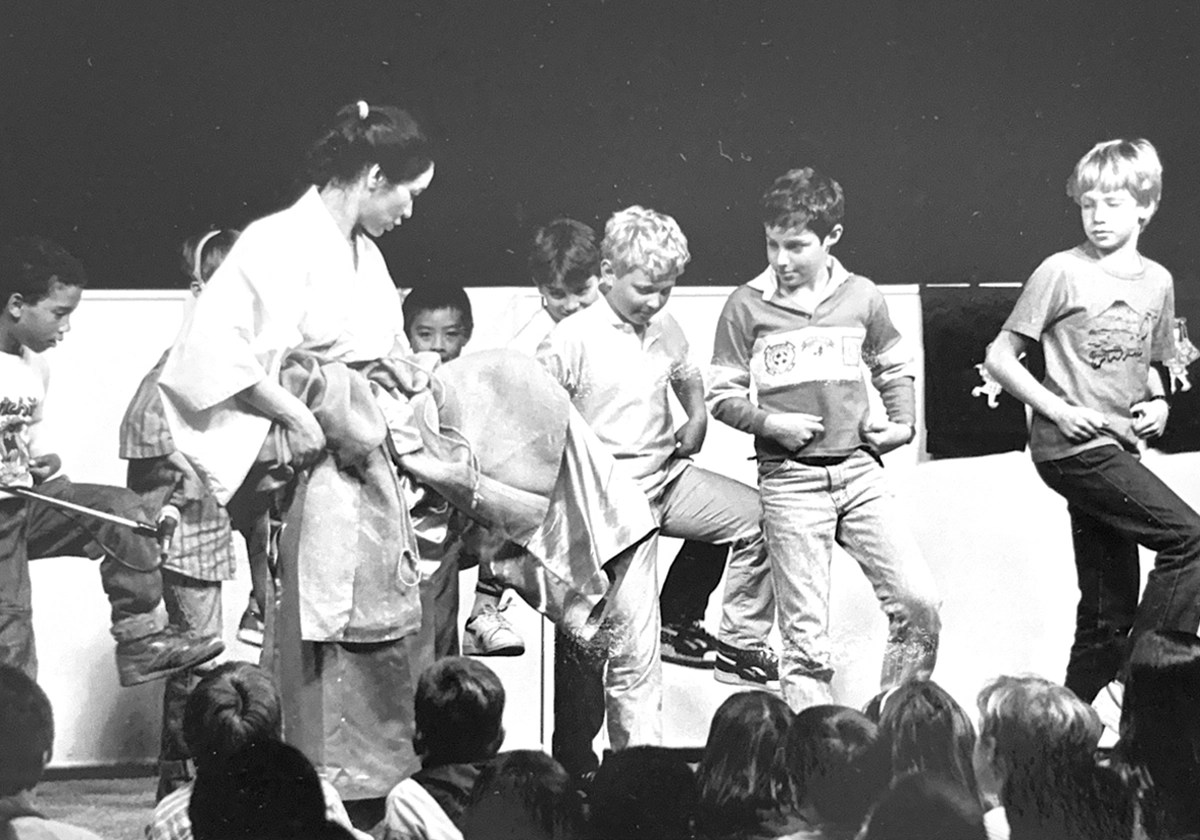
Bugaku, the Japanese Court Dance, unfolds through gagaku, the “elegant music” of the Imperial Court. Refined for centuries, this ancient form carries the quiet majesty of movement in harmony with sound, color, and space.
Each dance is a meeting of heaven, earth, and human — a choreography of balance, dignity, and stillness.
Guided by Suenobu Togi of the Japanese Imperial Household Music Department, Arawana Hayashi entered this lineage and discovered in its discipline a living meditation. Through bugaku, she found a way to embody awareness —where each gesture arises from spaciousness, and stillness reveals the essence of movement.
Today, her performances and archival recordings offer a glimpse into this rare art form.
Contemporary
Dances
Coming Soon